Sound Christian teaching should show good fruit, not bad fruit.
Non-affirming beliefs about same-sex relationships contribute to serious harm in the lives of gay, bisexual, and transgender people — the opposite of the good fruit we should expect to see based on the teaching of Jesus himself.
The Christian tradition does not address sexual orientation.
The Christian tradition doesn't address sexual orientation — the concept simply didn't exist in the ancient world. The church has revisited long-held interpretations before in light of new understanding, and this question calls for the same careful reexamination.
Celibacy is a gift, not a mandate.
The Bible teaches that lifelong celibacy is a gift, not something that should be forced upon anyone. Paul and Jesus both present it as a special calling — not a universal requirement imposed on gay and lesbian Christians.
"Gender complementarity" is a broad category, not a universally normative biblical teaching.
"Gender complementarity" is a category, not an argument. It asserts a normative pattern of similarity and difference between the genders — but doesn't specify what that pattern is. Christians who share the premise disagree sharply about what it means for marriage.
The arc of Scripture points toward inclusion, not exclusion.
Even though same-sex marriage didn't exist in the biblical world, the countercultural principles the early Christians embraced regarding sexuality — mutuality, monogamy, and covenantal love — are consistent with same-sex marriages today.
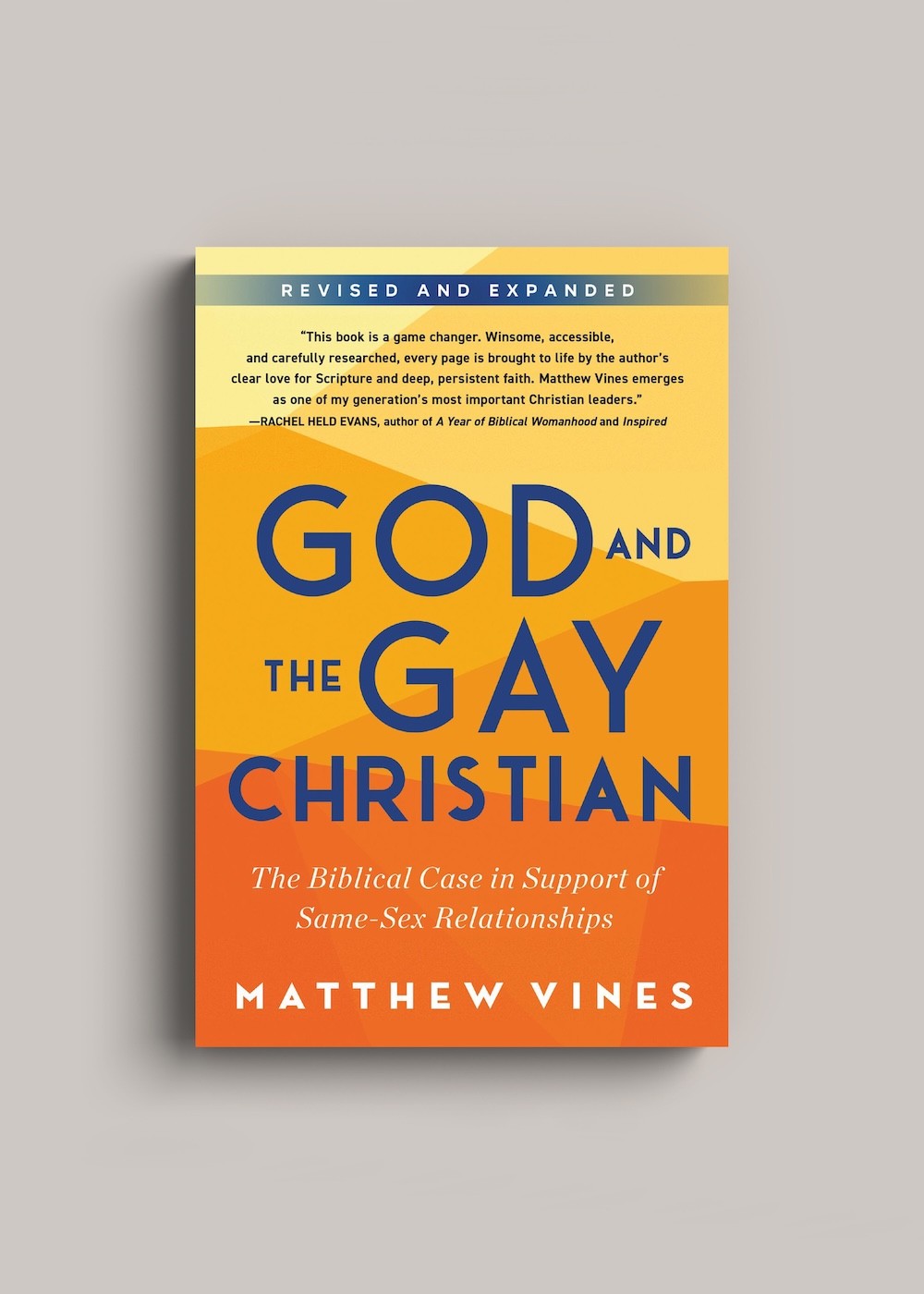

Read the book that started the conversation — beginning with the first chapter, free.
God and the Gay Christian by Matthew Vines is the most widely read biblical argument for same-sex relationships in the evangelical tradition — engaging every relevant passage with the rigor and care that serious Christians expect.
"I couldn't find the theological answers I needed anywhere else — so I spent two years studying the original languages and historical contexts of every relevant passage. This book is what I found."— Matthew Vines, God and the Gay ChristianGet the first chapter free by email
We'll send the chapter and occasional updates from The Reformation Project. Unsubscribe any time.
Sodom and Gomorrah addresses gang violence, not same-sex relationships.
The threatened act in Genesis 19 was gang rape, not a loving relationship. Ezekiel 16:49 identifies Sodom's sin as arrogance and failure to help the poor and needy — not same-sex behavior.
The prohibitions in Leviticus don't apply to Christians.
Christians have never lived under the Old Testament law — and no Christian applies Leviticus's prohibitions consistently. The Levitical commands also reflect ancient cultural assumptions about gender hierarchy, not a timeless moral principle.
Romans addresses unrestrained lust, not sexual orientation.
Paul describes people who "exchanged" their natural desires as a consequence of idolatry — condemning self-seeking excess, not a fixed orientation. As Paul himself says, committed same-sex relationships simply aren't in view in Romans 1.
1 Corinthians and 1 Timothy address exploitation, not identity.
The word "homosexual" didn't appear in any Bible translation until 1946. The underlying Greek terms referred to specific exploitative practices — not to gay and lesbian people or their relationships as such.
Marriage is fundamentally about covenant love.
Paul's teaching on marriage in Ephesians 5 centers on Christ's self-giving love for the church. That model of covenant love and mutual self-giving is something same-sex couples are fully capable of embodying.
Take seven weeks.
One passage at a time.
The brief biblical case gives you the argument. The free 7-week email series gives you the scholarship more slowly — one key passage per week, written to share with a spouse, a parent, or a pastor.
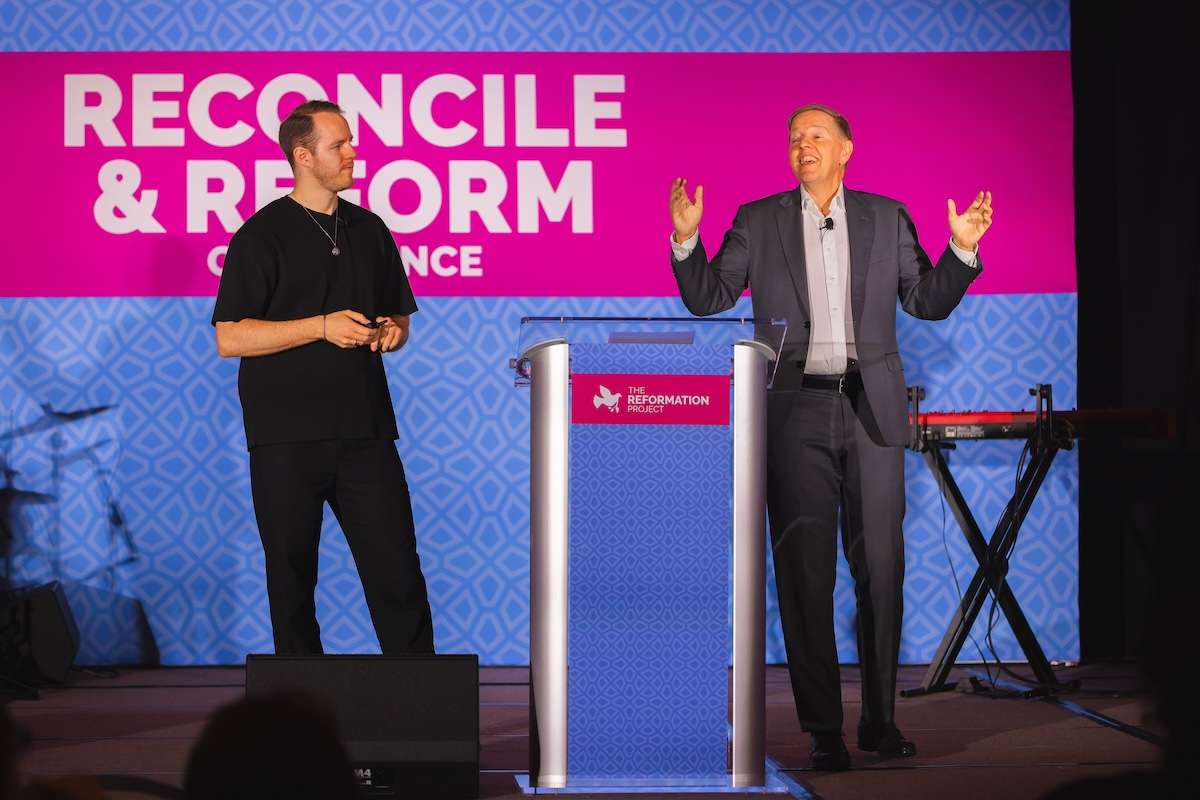
Coming to The Reformation Project's conference was the turning point that moved me to become affirming. Engaging the scholarship gave me the theological foundation I needed to move forward.
We respect your inbox. No spam, no selling your address.